

How to Choose a Drip Coffee Maker
The drip coffee maker is a well-known method of making an enormous amount of brew. They work by dripping hot water over ground coffee beans, which extracts flavors and oils. They are available in a variety of sizes, ranging from single-serve machines all the way to carafes with 12 cups.
A lot of models have programmability, strength customization and other features that can bring a cafe-like experience to your kitchen. What are the best options to choose the right one for your needs and wants?
Grinder size
A drip coffee maker is a popular option for home brewing since it's easy to use and produces a consistent cup of coffee every time. But selecting the correct grind size for your drip coffee maker is crucial to ensure the best extraction and flavor. If you have under-extracted your coffee, it could taste acidic or bitter. Over-extraction may lead to bitterness.
The right grind size for your coffee depends on the kind of filter and the brewing method you select. For instance, cone-shaped filters require a finer grinding, while flat-bottomed filters need a medium-sized grind. In addition, the grind size is affected by the origin of the beans and their roast level. Making a variety of grind sizes can help find the perfect match for your brewing equipment and preferred coffee bean flavor profile.
No matter what kind of coffee maker, the majority of experts recommend a medium grind size. This size grind is perfect for all brewing methods and allows water to flow through the grind evenly. It also prevents over-extraction, which can result in a bitter or hollow taste.
Another factor that affects the grind size is the coffee-to-water ratio. The best method of calculating this ratio is to use a kitchen scale. The scale will provide an approximate number for every six ounces. This will vary based on your water's temperature and the density of your coffee.
It's also important to remember that the ratio of water-to-coffee varies by coffee bean origin and roast level. This is why it's best to use a burr crusher that crushes coffee beans with two burrs and produces a uniform grind size. A quality burr grinder is more precise than a blade mill, and will help you achieve the ideal medium grind for your drip coffee maker.
In addition to determining the proper grind size, it's also important to take into consideration the capacity of your drip coffee maker. Based on the size of your family you may need a single-serve machine that can brew a few cups at a time or a carafe that can hold 12 or more cups. Many dripping coffee makers can also be programmed which allows you to set a particular time for the coffee to brew in the morning.
Filter type
There are a variety of filters that can be used with a drip-coffee maker. The filter you use will have a significant impact on the flavor of your coffee. From the shape to material, there are many factors that determine which filter is best for your drip coffee maker. One of the most important aspects are the size and material of the filter and its thickness. There are a variety of other factors that influence the taste of your coffee, like the capacity and the ability to program.
One of the most common coffee filter types is paper. Paper filters are affordable, easy to clean, and easily available. coffeee.uk don't remove the dirt like other filters. They are also not as eco-friendly because they are made of trees and bleached with chemicals. They may leave a sour taste in the mouth, which can be reduced by wetting the filter prior to using it.
Metal and cloth are also types of filters. Metal filters are usually reuseable, but they have to be thoroughly rinsed and cleaned after each use to avoid the build-up of microfines and oils. They are more expensive than paper but can produce a stronger flavor and a richer cup of coffee.
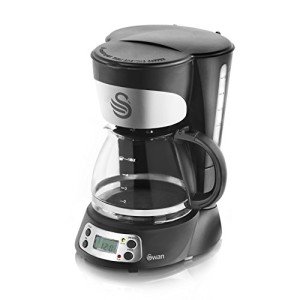
Cloth coffee filters are available in many shapes and are made from hemp, cotton or nylon mesh. These filters are becoming more popular due to their ability to make a balanced cup of coffee that is full-bodied and without bitterness. The weaved fibers of these filters contain more oils and sediment than metal filters, but let some pass through, resulting in a balanced and rich flavor.
The disc filter is a common coffee filter. It is often used for Vietnamese-style coffees like ca phe sua da. Slowly pouring the coffee through the filter concentrates flavors and creates a delicious and aromatic beverage that can be consumed by itself or mixed with condensed dairy. The disk filter is easy to clean and is less prone to bend than other filters which makes it a good choice for use on a regular basis.
Heating element
Many coffee enthusiasts are enthralled by the process of brewing drip-style coffee. Dripping machines are a popular choice in the office and at home due to their simple, efficient design. There are several factors to take into consideration before selecting the right one for your needs. These are the kind of grounds as well as the filter and the heating element. They can alter the aroma and flavor. You can also pick a machine with extra features to enhance your convenience and personalization.
The heating element is the heart of a coffee machine. It is a resistive heating element that is sandwiched between the warming plate and an aluminum water tube. The tube is coated with a white heat-conductive grease to aid in the transfer of heat. The heating element is heated using electricity, which heats up the water in the reservoir. The hot water then flows through the tube into the brewing container, which is then sprayed on ground beans.
A common question about the heating element is how it can get so hot and fast. It's a clever piece of technology. The heating element is a little like a super-fast stove specifically designed for water. When it's turned on, it begins heating up quickly. The water comes in through a tube that wraps around the heating element, and as it moves through it becomes hotter and hotter. Your brewed coffee will be hot in a matter of minutes.
Most drip-style coffee machines have reservoirs that hold the water prior to the brewing process. The reservoir is usually transparent, allowing you to see the amount of water within it. The reservoir is connected to a water tube via a hole in the bottom. The water is heated using the resistance heating element, which is powered by electricity and is located under the reservoir base.
The water rises through the white tube and the coffee grounds inside the filter are soaked. The grounds are soaked by hot water and start to release CO2. This is called "blooming" and is needed to eliminate unpleasant, sour tastes. After a few minutes the hot water reaches the its peak and begins to trickle through the grounds into the pot.
Carafe
The carafe of a coffee maker is used to hold the coffee that is ready to serve. The carafe can be made out of stainless steel, glass or thermal. Thermal carafes keep the coffee hot longer than glass, which preserves the flavor and allow you to enjoy your brew for hours. They look better on the counter in your kitchen and are much easier to clean than glass carafes.
Before beginning the brewing process, you must first make sure that your coffee maker's reservoir is filled with water. This is an important step because the quality of the water you use will have a significant impact on the brew you make. Use filtered water for the most optimal results.
Once you have filled the water reservoir in your coffee maker, turn it on and begin the coffee brewing process. The water is heated to the perfect temperature before being sprayed onto the grounds of the coffee. The grounds are then allowed to absorb the water for several minutes. The coffee that is brewed will drip through the filter and into the carafe.
When you are looking for a coffee maker, take into consideration its size and style as well as the features it comes with. Most models come in different sizes ranging from single-serve machines to large carafe that can hold up to 12 cups of coffee at one time. Some models have a "strong" setting which lets you adjust how strong your coffee is.
If you're looking for an easier and more convenient method to make coffee, consider a single-serve brewer like the Keurig or Nespresso. These machines use pre-measured coffee pods to make a single cup of drip-brewed coffee at a given time, and they can be an ideal option for those looking for an efficient and steady brew. They are not as versatile and cost more per cup due to the high cost of coffee pods. If you prefer a traditional brew, choose a drip maker that has an adjustable filter so that you can use your own filters instead of purchasing expensive paper ones. They are also less likely than paper filters to become clogged with mineral deposits.